


Every workplace in South Africa, regardless of size or industry, is subject to health and safety obligations under the Occupational Health and Safety Act (OHSA). Employers are legally required to provide and maintain a working environment that is safe and without risk to the health of employees, contractors, and the public.
When occupational health and safety is not managed effectively, the consequences can be severe. Workplace accidents, injuries, legal liability, fines, compensation claims, and business interruption are common outcomes of poor safety management. Beyond the legal and financial impact, incidents can damage morale, productivity, and an organisation’s reputation.
This article explains what occupational health and safety management is, why it is essential for South African businesses, and how structured training and safety management courses help organisations remain compliant while protecting their people.
What Is Occupational Health and Safety Management?
Occupational health and safety management refers to the systematic approach an organisation takes to identify workplace hazards, assess risks, implement controls, and monitor safety performance on an ongoing basis. It goes beyond basic safety rules or reactive responses to incidents.
Many workplaces rely on informal safety procedures such as verbal instructions, ad hoc training, or reacting only after an incident occurs. While these measures may seem sufficient, they do not meet the requirements of OHSA and often leave organisations exposed to unnecessary risk.
A structured approach to health and safety management is proactive and system-wide. It typically includes hazard identification, risk assessment, implementation of safety controls, emergency preparedness, employee training, and continuous monitoring and improvement. The goal is to prevent incidents before they occur rather than responding after harm has already been done.
What Is an Occupational Health and Safety Management Plan?
An occupational health and safety management plan is a documented framework that outlines how workplace safety is managed within an organisation. It defines procedures, roles and responsibilities, risk control measures, and compliance requirements specific to the workplace.
While the format may differ depending on industry and risk level, an effective management plan provides clarity on how hazards are identified, how risks are controlled, and how employees are trained and informed. It also sets out emergency procedures, reporting processes, and monitoring mechanisms.
Having an occupational health and safety management plan is strongly recommended and, in many cases, essential for legal compliance. Inspectors and auditors expect to see evidence that safety is actively managed, documented, and reviewed. A clear plan demonstrates due diligence and helps ensure consistency across teams, shifts, and sites.
The Role of Occupational Health and Safety Risk Management
Occupational health and safety risk management is a core component of effective safety management. It involves identifying hazards, evaluating the severity and likelihood of associated risks, implementing appropriate control measures, and reviewing those controls regularly.
Risk management protects employees by reducing exposure to unsafe conditions and practices. It also protects employers by lowering the likelihood of incidents that can result in legal action, compensation claims, or operational shutdowns.
Effective health and safety risk management supports business continuity by minimising disruptions caused by accidents, investigations, or enforcement actions. When risks are managed proactively, organisations are better positioned to operate efficiently and confidently within the law.
Safety Management Courses in South Africa: What They Offer
Safety management courses in South Africa are designed to equip individuals and organisations with the knowledge and skills required to manage health and safety effectively and in line with legislation. These courses range from short, role-specific training to more comprehensive management-level programmes.
Common training options include basic health and safety training, risk assessment courses, first aid, fire safety, SHE representative training, supervisory safety management, and broader occupational health and safety management certifications.
Accredited courses are particularly important. Accreditation ensures that training aligns with recognised standards and legislative requirements, providing certificates that employers, auditors, and inspectors can rely on as proof of competence and compliance.
What to Look for When Choosing a Health and Safety Management Course
When selecting a health and safety management course, accreditation should be a key consideration. Training should be recognised by relevant authorities and aligned with South African compliance frameworks.
Course content should be comprehensive, covering hazard identification, health and safety risk management, incident investigation, legal responsibilities, emergency preparedness, safety policies, compliance procedures, and audits. Practical application is essential as learners should be able to apply what they learn directly in their workplace.
Flexibility is another important factor. Many organisations require a mix of classroom, on-site, or blended learning options to suit operational needs. Courses that provide practical tools, templates, and ongoing support tend to deliver the greatest long-term value.
How Organisations Benefit from Proper Health and Safety Management
Effective health and safety management delivers measurable benefits for organisations. Reduced workplace accidents lead to lower medical costs, less downtime, and fewer compensation claims. Legal compliance reduces exposure to fines, penalties, and enforcement action.
A well-managed safety environment also improves employee morale, trust, and retention. Employees who feel safe at work are more engaged and productive. In addition, organisations with strong safety practices often enjoy improved reputations and increased competitiveness, particularly when working with clients and partners who prioritise compliance.
How DDi Supports Your OHS Management Needs
DDi supports organisations with occupational health and safety management through accredited training aligned with South African legislative requirements. Our health and safety training courses are designed to build real competence in risk management, safety management planning, and OHSA compliance.
In addition to training, we assist organisations with identifying gaps in their current safety systems, providing guidance on appropriate training pathways, and delivering customised programmes suited to specific industries and risk profiles. Ongoing refresher training and support ensure that compliance is maintained as workplaces evolve.
To strengthen your occupational health and safety management and ensure compliance with OHSA, contact DDi to assess your organisation’s needs and enrol your team in accredited safety management courses.


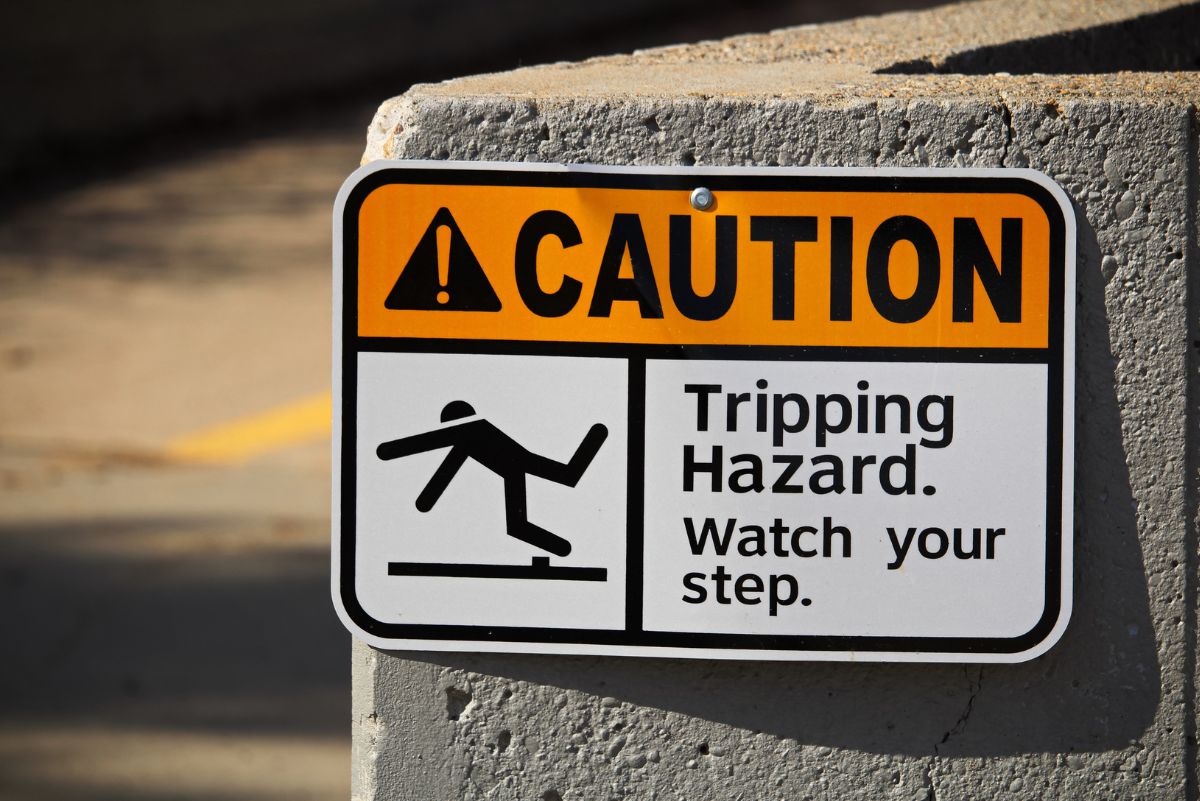 Hazard Identification and Risk Assessment (HIRA): The Process, Legal Requirements, and Why Training Matters
Hazard Identification and Risk Assessment (HIRA): The Process, Legal Requirements, and Why Training Matters