

Most workplace incidents are preventable. Not with more paperwork. Not with better luck. With a process that identifies hazards before they cause harm.
That process is hazard identification and risk assessment, commonly known as HIRA. It is the foundation of proactive workplace safety, and under South African law, it is not optional.
Whether you need to understand the process or find the right hazard identification and risk assessment form for your workplace, this article breaks down what you need to know and why training your team matters.
What Is HIRA and Why It Matters
HIRA stands for Hazard Identification and Risk Assessment. It is a structured process for identifying workplace hazards, evaluating the risks they pose, and putting controls in place to reduce or eliminate those risks.
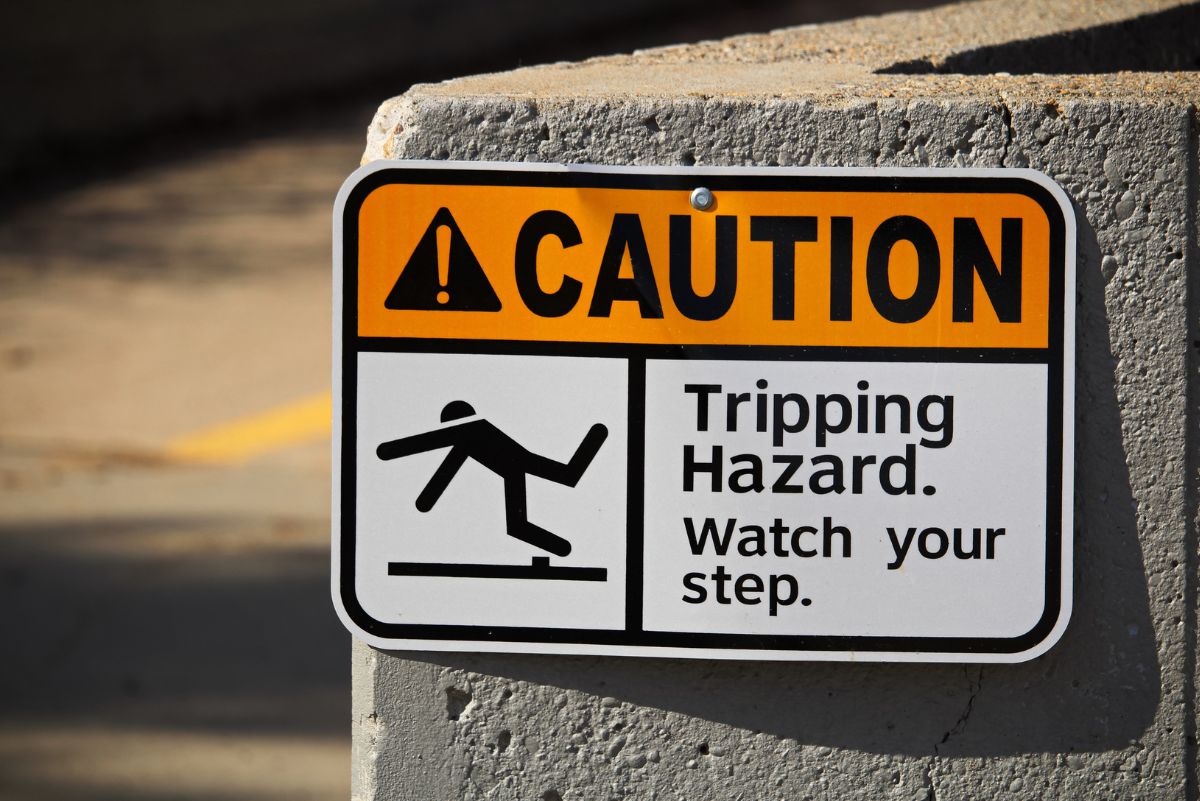
A hazard is anything with the potential to cause harm. A risk is the likelihood that the harm will actually occur, combined with its severity. Understanding the difference is the first step.
HIRA fits into your broader safety management system as the starting point. Without it, every other safety measure is guesswork. Structured tools like a hazard identification and risk assessment form ensure consistency and thorough documentation.
Legal Requirements for Risk Assessments in South Africa
Section 8 of the Occupational Health and Safety Act (Act 85 of 1993) places a general duty on employers to provide a working environment that is safe and without risk to the health of employees. Risk assessments are a core part of fulfilling that duty.
Risk assessments are mandatory. Not recommended. Not best practice. Required by law.
Using a standardised HIRA template south africa aligned with current regulations ensures your assessments meet the legal standard and withstand scrutiny during inspections.
The HIRA Process: Step-by-Step
1. Identifying Hazards
Look for physical, chemical, biological, ergonomic, and psychosocial hazards. Involve your employees. The people doing the work every day are often the first to spot what could go wrong.
2. Assessing the Risk
For each hazard, evaluate two things: how likely is it to cause harm, and how severe would that harm be? Risk matrixes within a HIRA assessment form help you score and prioritise risks objectively, removing guesswork from the equation.
3. Implementing Control Measures
Apply the hierarchy of controls: elimination, substitution, engineering controls, administrative controls, and personal protective equipment (PPE). Always aim for the highest practical level of control. PPE is your last line of defence, not your first.
4. Documenting Findings
Record outcomes using a hazard identification and risk assessment format that captures the hazard, risk rating, control measure, responsible person, and timeline.
5. Reviewing and Updating
HIRA is not a once-off exercise. Workplaces change. New equipment arrives. Processes evolve. Schedule regular reviews and update assessments whenever there is a significant change in the working environment.
Understanding HIRA Documentation and Templates
Structured documentation is what separates a thorough risk assessment from a vague one. A well-designed hazard identification and risk assessment template, or HIRA risk assessment template, gives your team a consistent framework to follow every time.
But here is the critical point: a HIRA template is a tool, not a substitute for knowledge. Without proper training, even the best form becomes a tick-box exercise.
How to Apply HIRA Effectively in the Workplace
Effective HIRA goes beyond filling in forms. Integrate it into daily operations. Encourage your teams to identify and report hazards as part of their routine, not just during formal assessments.
Use the correct hazard identification and risk assessment form consistently across all departments. Involve the right people and ensure assessments are accurate, not rushed.
The most common mistakes? Ticking boxes without thinking, underestimating risks because nothing has gone wrong yet, and relying on outdated assessments.
Common Challenges Without Proper HIRA Knowledge
Without proper training, hazards are misidentified or overlooked. Risk ratings are inaccurate. Control measures are poorly implemented.
Incorrect use of a HIRA template in south africa leads to compliance gaps and increased liability. When your team cannot assess risks properly, you end up reactive instead of proactive. That is when incidents happen.
The Value of HIRA Training for Your Team
Training is what bridges the gap between having a process on paper and executing it with confidence.
Upskilling your staff delivers clear benefits: confidence in completing a hazard identification and risk assessment form correctly, improved decision-making using risk matrices, better application of the hierarchy of controls, and stronger compliance with OHS Act requirements.
Training turns your team from people who fill in forms into people who understand why each field matters.
Who Should Attend HIRA Training?
HIRA training is relevant across a wide range of roles:
- SHE Representatives
- Safety Officers and committee members
- Maintenance and facilities teams
- HR professionals responsible for compliance
- Any employee involved in workplace safety
If someone in your organisation plays a role in identifying hazards or managing risk, they should be trained to do it properly.
What to Expect from Professional HIRA Training
Professional HIRA training offers a practical, hands-on learning approach with real-world scenarios and experienced facilitators. Look for flexible delivery (onsite or online) and OHS Act compliant certification.
The focus should be on immediate workplace application. Your team should leave training ready to conduct assessments from day one.
Building a Safer Workplace Starts With Knowing the Risks
HIRA is both a legal requirement and a critical safety tool. It turns hazard awareness into hazard prevention. But only if your team knows how to do it right.
A structured hazard identification and risk assessment format, backed by trained staff and proactive safety culture, is how you protect your people and your business.
Ready to build that capability? Contact DDi today to enquire about our HIRA training course. Investing in proper risk assessment skills is an investment in your company's most valuable asset: its employees.

 Incident Investigation in the Workplace: Process, Purpose, and Why Proper Training Matters
Incident Investigation in the Workplace: Process, Purpose, and Why Proper Training Matters