



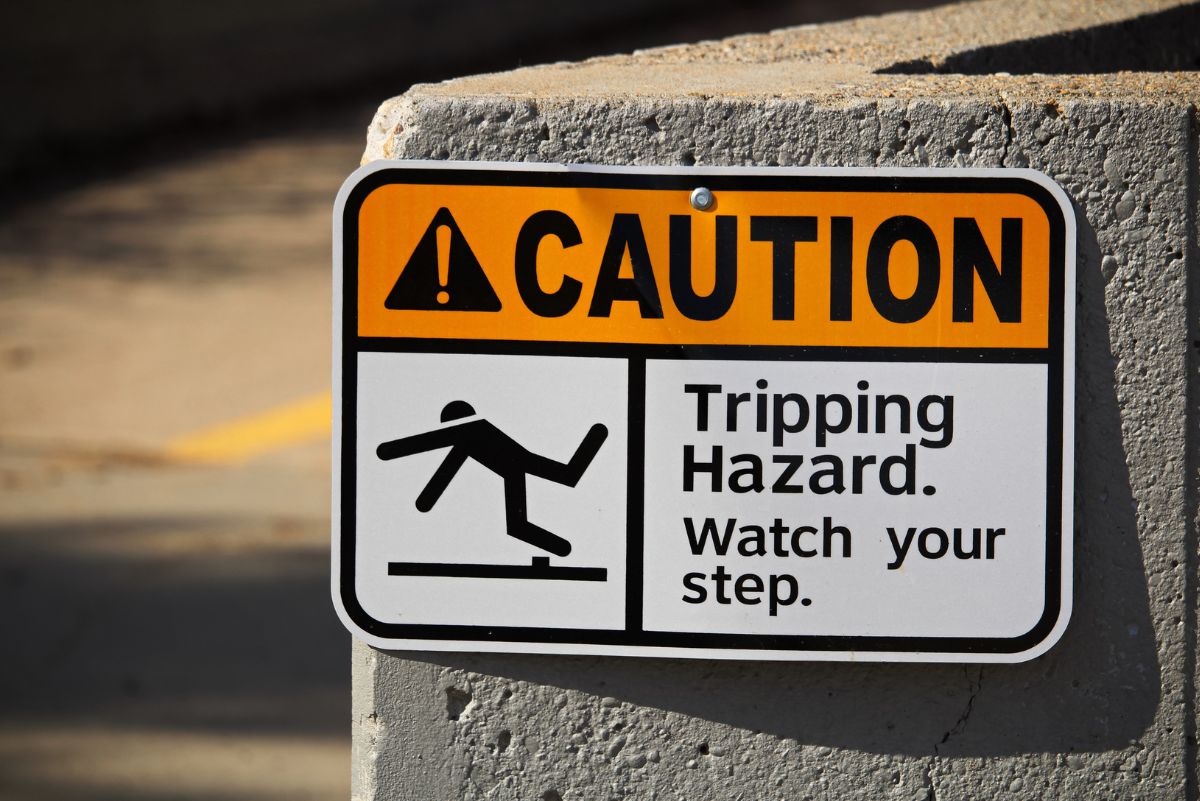
A worker trips over loose cabling on a factory floor. The supervisor files a report, replaces the cable, and moves on. Two weeks later, another worker trips in the same spot.
Too many businesses treat workplace incidents as isolated events, something to document and forget. But every incident is a signal. And without a proper incident investigation, you are almost guaranteed to see that signal again.
This article unpacks the incident investigation procedure, its legal importance under South African law, and why investing in training makes the difference between paperwork and prevention.
What Is Incident Investigation?
Incident investigation is a structured process for determining what happened, why it happened, and how to prevent it from happening again.
First, understand the terminology. An accident results in injury or damage. A near-miss could have caused harm, but did not. An incident is the umbrella term covering both. A solid incident reporting and investigation policy ensures your business treats all three with the seriousness they deserve.
The goal is never to assign blame. It is to understand causes.
Why Incident Investigation Is Important
So why is incident investigation important? Because without it, you are flying blind.
Root cause analysis prevents repeat incidents. It is not enough to know that someone slipped. You need to know why the floor was wet, why signage was missing, and why no one flagged it earlier.
Beyond prevention, proper investigation supports legal compliance under the OHS Act, reduces financial and operational risk, protects your reputation, and strengthens your workplace safety culture. Investigation is a proactive business tool, not reactive paperwork.
Legal and Organisational Requirements in South Africa
The Occupational Health and Safety Act (Act 85 of 1993) places clear responsibilities on employers. Section 24 requires that certain incidents be reported and investigated. Failing to comply can result in fines, prohibition notices, or prosecution.
Having a formal incident reporting and investigation policy is not just good practice. It is your legal protection. Proper documentation supports you during audits, inspections, and any legal proceedings that may follow a workplace incident.
The Incident Investigation Procedure: Step-by-Step
A structured accident and incident investigation procedure follows these key steps:
1. Immediate Response
Secure the scene and ensure the safety of all personnel. Provide medical assistance where needed. Nothing else happens until the area is safe.
2. Recording and Notification
Accurate recording and investigation of incidents starts here. Follow your internal reporting protocols without delay. Timely documentation preserves critical details that fade with time.
3. Gathering Information
Collect evidence including photographs, witness statements, and equipment data. Identify all contributing factors, not just the most obvious one.
4. Analysing the Incident
Determine root causes, not just surface causes. A spill on the floor is a symptom. A broken drainage valve with no maintenance schedule is the root cause.
5. Implementing Corrective Actions
Fix the underlying issues, not just the symptoms. Assign clear responsibilities and realistic timelines for every corrective measure.
6. Reporting and Documentation
Compile a clear, thorough investigation report. This ensures compliance, supports traceability, and creates a reference point for future prevention.
How to Conduct Incident Investigation Effectively
Knowing how to conduct incident investigation effectively comes down to discipline and consistency.
Stay objective. Base every finding on facts, not assumptions. Follow your accident and incident investigation procedure every time, regardless of how minor the incident appears. Involve the right people from the start: SHE representatives, supervisors, and HR.
The most common mistakes? Jumping to conclusions, working with incomplete data, and allowing a blame culture to derail the process. Consistency in your approach is what separates a thorough investigation from a tick-box exercise.
Common Challenges Businesses Face Without Proper Training
Without proper training, investigations fall short. Reports are incomplete. Root causes are missed, leading to repeated incidents. Documentation fails to meet compliance standards.
Perhaps most damaging is the lack of confidence among staff responsible for investigations. When your team does not know how to investigate properly, even the best incident reporting and investigation policy becomes nothing more than a paper exercise.
The Value of Incident Investigation Training
Training is what turns theory into practical, actionable skills. It is the difference between having an incident investigation procedure on paper and being able to execute it under pressure.
Upskilling your staff delivers measurable benefits: confidence in handling incidents correctly, improved accuracy in reporting and analysis, stronger compliance with legal requirements, and a more resilient safety culture across your organisation. Training does not just tick a box. It builds real capability.
Who Should Attend Incident Investigation Training?
Incident investigation training is valuable for a wide range of roles:
- SHE Representatives and Safety Officers
- HR professionals managing injury-on-duty cases
- Supervisors and team leaders
- Any staff involved in safety and compliance
If someone in your business is responsible for responding to or documenting workplace incidents, they need this training.
What to Expect from Professional Training
Professional incident investigation training offers a practical, hands-on learning approach grounded in real-world scenarios. Look for experienced facilitators, flexible delivery options (onsite or online), and OHS Act compliant certification.
The focus should always be on immediate workplace application. Your team should walk out of training ready to apply what they have learned from day one.
Turning Incidents into Opportunities for Safer Workplaces
Every workplace incident holds a lesson. The question is whether your business is equipped to find it.
A structured incident investigation procedure, backed by trained, confident staff and a strong safety culture, turns incidents into opportunities for meaningful improvement. That is how you move from reacting to preventing.
Ready to equip your team with the skills they need? Contact DDi today to enquire about our Incident Investigation training course. Investing in your people is an investment in your company's most valuable asset: its employees.


 Hazard Identification and Risk Assessment (HIRA): The Process, Legal Requirements, and Why Training Matters
Hazard Identification and Risk Assessment (HIRA): The Process, Legal Requirements, and Why Training Matters